
- Health Tips
Estimated reading time: 11 minutes
Living with arthritis can affect more than your joints. Pain, stiffness and fatigue can make everyday activities, including shopping, cooking and staying active, more challenging. Although medical treatment plays an important role in managing arthritis, everyday habits may also help support your health and quality of life.
At the Living Well with Arthritis event hosted by the Arthritis Foundation at 4 Roots Farm in Orlando on October 15, 2026, Neha Bhanusali, M.D., a rheumatologist at UCF Health, shared practical ways nutrition and lifestyle choices can complement arthritis care. As a physician who also teaches culinary medicine, Dr. Bhanusali encouraged attendees to approach food as one part of a broader plan for living well with arthritis.
Her message was reassuring: You don’t need a perfect diet, and food alone won’t eliminate arthritis pain. Instead, understanding how everyday choices may affect your health can help you find sustainable changes that work for you.
Table of contents
Can an Anti-Inflammatory Diet Help Arthritis?
The relationship between food and inflammation is an important area of interest in arthritis research. However, the effects of diet vary depending on the type of arthritis, a person’s overall health and individual sensitivities.
“Food, I don’t think, is going to take away all of your pain,” Dr. Bhanusali explained during her talk.
Diet should complement (not replace) medical treatment. Still, a balanced eating pattern can support overall health and may help some people manage arthritis symptoms.
Rather than focusing on one food or looking for a quick fix, Dr. Bhanusali encourages patients to consider their overall eating habits and identify realistic ways to make them more nourishing.
Focus on What You Can Add to Your Diet
An eating pattern that emphasizes vegetables, fruits, legumes, whole grains, nuts, seeds, fish and healthy fats is often recommended for overall health. A Mediterranean-style diet follows many of these principles and may offer modest benefits for people with rheumatoid arthritis, although the evidence does not support it as a cure.
Dr. Bhanusali highlighted several foods and ingredients worth incorporating into everyday meals:
- Vegetables: Broccoli, cauliflower and other colorful vegetables provide fiber and nutrients that support overall health.
- Fruits and berries: Berries and cherries provide fiber and plant compounds called polyphenols, which are being studied for their potential role in inflammation.
- Beans and lentils: These affordable, versatile foods provide fiber, plant-based protein and other important nutrients.
- Omega-3-rich fish: Salmon and sardines are sources of omega-3 fatty acids that may help with certain inflammatory processes.
- Nuts and seeds: These offer fiber, healthy fats and other nutrients that can be incorporated into meals and snacks.
- Extra-virgin olive oil: This source of unsaturated fat fits well into a Mediterranean-style eating pattern.
The goal isn’t to eat a particular food every day or expect one ingredient to relieve joint pain. It’s to build a balanced pattern of eating that you can maintain over time.
Do Sugar, Dairy or Gluten Make Arthritis Worse?
These are common questions among people living with arthritis, and the answers aren’t the same for everyone.
Dr. Bhanusali noted that sugar is one of the potential food-related triggers she frequently hears about from patients. She also discussed dairy and gluten, emphasizing that individual experiences can vary.
There is no universal list of foods that everyone with arthritis needs to avoid. For example, dairy products are not automatically problematic for all people with arthritis, and eliminating gluten is not a general treatment for arthritis. Gluten avoidance is important for people with celiac disease and may be appropriate for certain other diagnosed sensitivities.
If you suspect a food affects your symptoms, consider discussing your observations with your healthcare provider or a registered dietitian. Keeping track of what you eat and how you feel may help identify patterns without unnecessarily eliminating entire food groups.
You don’t have to follow a restrictive diet to take steps toward better health. As Dr. Bhanusali reminded attendees, “we’re all just trying to do the best we can.”
Make Healthy Eating Work for Your Culture and Routine
The Mediterranean diet is frequently discussed in conversations about nutrition and inflammation, but eating well doesn’t mean abandoning the foods you grew up with.
Dr. Bhanusali highlighted the importance of cultural connections to food. Many traditional cuisines already incorporate vegetables, beans, lentils, herbs, spices, fish and other nutritious ingredients.
Instead of trying to adopt an entirely unfamiliar diet, look for ways to build on the foods you already enjoy. Lentils can be used in soups and stews, vegetables can be incorporated into familiar dishes, and herbs and spices can add flavor without relying entirely on salt or heavy sauces.
The same principles can be adapted to a variety of cuisines and budgets. The most useful eating pattern is one that supports your health while remaining realistic for your lifestyle.
Everyday Habits That Can Support Arthritis Management
Food is only one part of the picture. Dr. Bhanusali emphasized that lifestyle choices work alongside medical care, not in place of it.
Stay Active in Ways That Work for You
When joint pain makes movement difficult, exercise may feel counterintuitive. However, appropriate physical activity can help people with arthritis reduce pain, improve physical function and support emotional well-being.
Walking, swimming, water exercise, cycling and other low-impact activities may be easier on the joints. Strengthening exercises can also help support the muscles that protect and stabilize them.
You don’t have to begin with a demanding workout. Short periods of movement throughout the day can be a useful starting point. Choose activities that suit your abilities, and ask your healthcare provider or physical therapist for guidance if pain limits your movement.
Consider How Weight Affects Your Joints
For some people, maintaining or reaching a weight that supports their health can help reduce stress on weight-bearing joints, particularly the knees and hips.
This is not about blame or pursuing a particular body size. It’s about identifying supportive strategies that may improve mobility and comfort. If weight management is appropriate for you, a healthcare professional can help you develop a sustainable plan that accounts for your medical needs and circumstances.
Make Cooking Easier on Painful Joints
Cooking can become difficult when arthritis affects the hands, wrists, knees or other joints. That doesn’t mean nutritious meals have to involve complicated preparation.
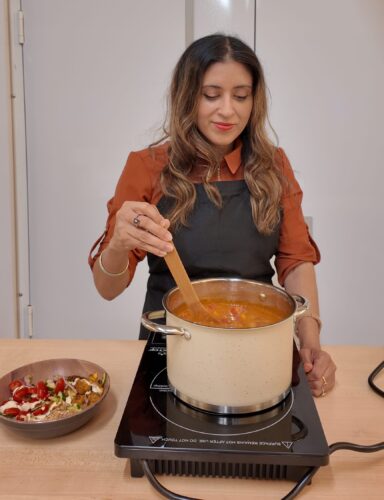
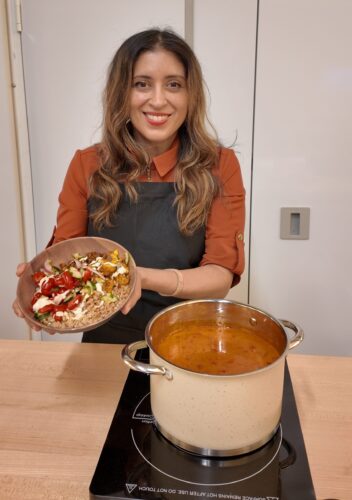
During her cooking demonstration, Dr. Bhanusali highlighted batch cooking as a practical option. A pot of chili or a grain bowl can provide several meals, reducing the need to start from scratch every day.
Other ways to simplify meal preparation include using pre-cut vegetables, choosing canned beans and chickpeas, preparing ingredients in advance and freezing individual portions.
It’s also worth remembering that an occasional shortcut is perfectly reasonable. A cooking method doesn’t have to be ideal every time to help you put a nourishing meal on the table.
Be Thoughtful About Supplements
Herbs and spices can add flavor to meals, and ingredients such as turmeric and ginger are being studied for their potential health effects. However, using a spice in everyday cooking is different from taking a concentrated supplement.
Research on turmeric and curcumin supplements for arthritis is still developing, and some formulations have been associated with liver injury. Supplements can also interact with medications.
Talk with your healthcare provider before starting a supplement, particularly if you take prescription medications or have an existing health condition. Never stop or change prescribed arthritis treatment because of a dietary supplement.
Try These Two Recipes From Dr. Bhanusali’s Cooking Demonstration
One of the highlights of the Living Well with Arthritis event was seeing how these nutrition principles could be put into practice. Dr. Bhanusali prepared two plant-forward recipes featuring legumes, vegetables, grains, herbs and flavorful spices.
Both dishes are useful examples of how nourishing meals can be satisfying, adaptable and practical for batch cooking.
Recipe 1: Thai Red Lentil and Sweet Potato Chili
This hearty chili combines red lentils, sweet potatoes and beans with Thai red curry paste and coconut milk. It’s a flavorful option for preparing ahead and enjoying throughout the week.
Ingredients
- 1–2 tablespoons olive oil
- 2 bell peppers, diced
- 1 large yellow onion, diced
- 4 garlic cloves, minced
- 2 tablespoons chili powder
- 1¼ cups dried red lentils
- 1 pound sweet potatoes, cut into ¾-inch chunks
- 1½ teaspoons salt, plus a pinch
- 4 cups vegetable broth
- 2 cans (15 ounces each) beans, such as cannellini, kidney or black beans, drained and rinsed
- 1 can (13.5 ounces) coconut milk
- 2½ tablespoons Thai red curry paste
- 1 can (28 ounces) diced tomatoes
- ½ cup chopped fresh cilantro, plus extra for garnish
- 1 tablespoon lemon juice
- Lime wedges for serving, optional
Instructions
- Heat the olive oil in a large pot over medium heat. Add the onion and bell peppers and sauté until translucent, about 7–8 minutes.
- Add the minced garlic and salt, stirring to combine.
- Add the sweet potatoes, chili powder, dried red lentils and vegetable broth. Stir well and simmer for approximately 25 minutes, or until the lentils and sweet potatoes are tender. Cook a little longer if needed.
- Stir in the Thai red curry paste, coconut milk and diced tomatoes.
- Add the lemon juice and chopped cilantro. Stir thoroughly, then turn off the heat.
- Serve with additional cilantro and lime wedges. Avocado or a little sour cream can be added as optional toppings.
Why it’s a practical option: Lentils, beans and sweet potatoes provide fiber, while the recipe can be prepared in a large batch and portioned for later meals.
Recipe 2: Cauliflower Shawarma Grain Bowl With Lemon Tahini Dressing
This grain bowl brings together roasted cauliflower, crispy chickpeas and a fresh tomato-cucumber salad. A lemon tahini dressing ties the ingredients together, while cumin, paprika and turmeric provide warmth and flavor.
Ingredients
Grain bowl:
- 1 cup farro or quinoa
- ½ teaspoon salt for cooking the grain
- 3 cups water or vegetable broth; farro may require additional liquid
- 1 can (14 ounces) chickpeas, rinsed, drained and thoroughly dried
- 1 head cauliflower, cut into bite-sized florets
- 2 tablespoons olive oil, divided
- ½ pint cherry tomatoes, quartered
- 2 cucumbers, diced
- ½ small red onion, thinly sliced
- ⅓ cup chopped fresh mint
- Zest and juice of 1 lemon
Shawarma spice blend:
- 2 teaspoons cracked black pepper
- 2½ teaspoons smoked or regular paprika
- 2½ teaspoons cumin
- 1 teaspoon kosher salt
- ¾ teaspoon turmeric
- ½ teaspoon red pepper flakes
- ¼ teaspoon garlic powder
Lemon tahini dressing:
- ½ cup tahini
- ¼ cup olive oil
- ½–¾ cup water
- Juice of 1 lemon
- Sea salt and cracked black pepper, to taste
- Chopped parsley, optional
Instructions
- Preheat the oven to 400°F.
- Cook the farro or quinoa according to the package directions, using the water or vegetable broth and ½ teaspoon salt. If using farro, toast it in a dry pot for 3–4 minutes before adding the liquid. Simmer according to the package directions until tender.
- In a small bowl, mix together all the shawarma spice blend ingredients.
- Toss the dried chickpeas with 1 tablespoon olive oil and spread them on a baking sheet.
- Toss the cauliflower with the remaining 1 tablespoon olive oil and most of the spice blend. Spread it on a separate baking sheet.
- Roast the chickpeas and cauliflower for approximately 30 minutes, rotating the pans halfway through. The chickpeas should be golden and crisp, and the cauliflower should be tender.
- Combine the cherry tomatoes, cucumbers, red onion and mint in a bowl. Season with salt and pepper, and add a squeeze of lemon juice if desired.
- Toss the roasted chickpeas with the lemon zest and the reserved spice blend. Sprinkle the roasted cauliflower with lemon juice.
- To prepare the dressing, whisk together the tahini, olive oil and lemon juice. Gradually add water until the dressing reaches a pourable consistency. Season with salt and pepper, and add parsley if desired.
- Divide the cooked grain among four bowls. Top each with the roasted chickpeas, cauliflower and tomato-cucumber salad. Drizzle with lemon tahini dressing and serve.
Why it’s a practical option: Chickpeas, whole grains and cauliflower add variety, fiber and nutrients to a balanced meal. The components can be prepared ahead of time and assembled when needed.
Small Changes Can Be a Good Place to Start
Living well with arthritis doesn’t require changing everything at once. It may mean adding more vegetables to a familiar meal, making a pot of chili for the week, finding an activity that feels comfortable or talking with your doctor about a symptom that is affecting your routine.
As Dr. Bhanusali emphasized during her talk, lifestyle choices can be valuable tools, but they are only part of the picture. Arthritis care should be tailored to the individual, including the type of arthritis, symptoms, medical history and treatment needs.
If joint pain, stiffness or swelling is affecting your daily life, a healthcare professional can help determine the cause and discuss appropriate treatment options.
Learn more about rheumatology care at UCF Health or meet Dr. Neha Bhanusali.

- English
This article is for educational purposes and is not a substitute for personalized medical advice. Talk with your healthcare provider before making significant dietary changes, starting supplements or changing prescribed treatment.
Post Tags
- arthritis diet eating healthy food as medicine healthy diet healthy foods healthy tips inflammatory disease rheumatoid arthritis rheumatologist rheumatology